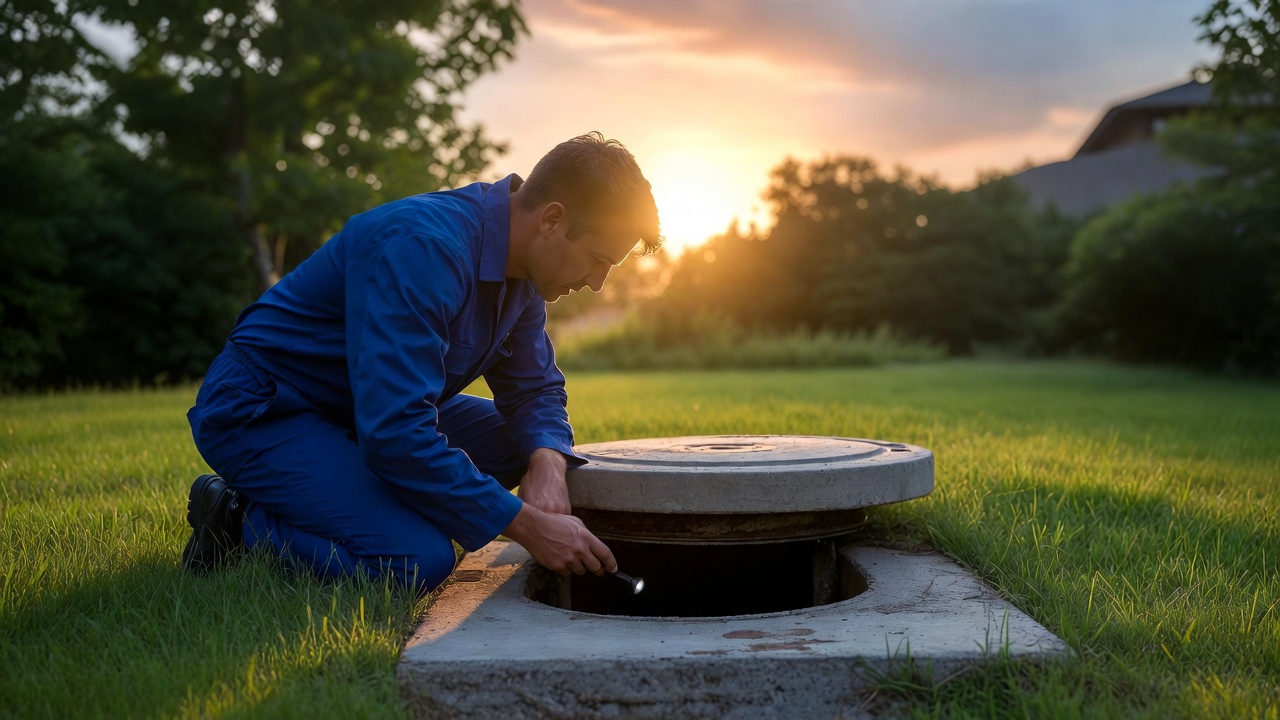
Septic maintenance has three core pillars: pump every 3–5 years, treat monthly with bacterial tablets, and be careful about what enters the system. Everything else builds on these three habits. Get these right and your system will likely outlast your mortgage.
Monthly Maintenance
1. Use a Bacterial Treatment Tablet
This is the single most impactful monthly habit. Your septic tank relies on a colony of anaerobic bacteria to break down solid waste. Modern life constantly disrupts this colony — antibiotics, antibacterial soaps, bleach-based cleaners, and harsh detergents all reduce bacterial populations. Monthly treatment replenishes what routine household chemicals deplete.
High-quality tablets like Septifix deliver 10 billion CFU monthly — keeping bacterial activity high enough to break down sludge faster than it accumulates, reducing the pump-out frequency you'll need over the system's lifetime.
Drop one tablet in the toilet, flush, done. Oxygen-releasing formula with 14 bacterial strains — the most complete monthly treatment on the market.
2. Flush All Unused Drains
Every drain in your home has a P-trap — a U-shaped pipe section that holds water, sealing against sewer gases. If a bathroom or utility drain isn't used for weeks, the water evaporates, gases enter the living space, and drain flies can breed in the dry pipe. Run water through every drain once a month — it takes two minutes and prevents both problems.
3. Check for Slow Drains
A drain that's slower than last month is telling you something. Catch it early — a $20 drain snake or $5 worth of baking soda and vinegar can solve it now. Ignored for six months, a slow drain can turn into a full blockage or, worse, indicate a developing issue in the main line or tank.
Annual Maintenance Tasks
1. Inspect the Tank Risers and Lid
If your tank has risers (the access ports that bring the lid to ground level), inspect the lid and seal annually. Concrete lids can crack; plastic seals can dry out and gap. A properly sealed lid is the difference between a contained system and one that's attracting pests and leaking gases.
2. Check the Alarm System
If your system has a pump and alarm (mound systems, aerobic systems), test the alarm once a year by pressing the test button. Replace the backup battery annually. A failed alarm means you'll have no warning before a high-water emergency. See our alarm systems guide for full details.
3. Inspect the Area Around the Drain Field
Walk the drain field area each spring and look for: soft or wet ground (especially during dry weather), unusually lush grass, odors, or new tree growth near the field boundary. Catching these early gives you time to respond before a field failure develops.
4. Locate and Document Your System
If you don't have a diagram of your system's exact location on record, create one. Take measurements from fixed reference points (house corners, fence posts) to the tank lid and distribution box. Future owners, service providers, and emergency responders will need this. Some counties have digital records available through the health department website.
Every 3–5 Years: Pump and Inspect
This is the most important scheduled maintenance event. A professional inspection and pump-out accomplishes several things at once:
- Sludge removal — prevents overflow into the drain field
- Baffle inspection — confirms the inlet and outlet baffles are intact and functional
- Tank structural check — looks for cracks, deterioration, or root intrusion in concrete tanks
- Sludge measurement — tells you exactly how fast your tank fills, helping you dial in the right interval
- Effluent filter cleaning — if your system has one, it needs periodic cleaning to prevent backup
Frequency depends on household size and tank volume. See our complete pumping schedule guide for the right interval for your situation. With consistent monthly treatment, many homeowners extend from 3-year to 5-year intervals.
Flush a treatment tablet immediately after pumping. The pump-out removes the established bacterial colony along with the sludge. A tablet re-establishes the bacteria faster and gets your system back to optimal performance within days rather than weeks.
What Not to Flush or Pour Down Drains
Never Flush These
- Wipes — even "flushable" ones. They do not break down in septic systems. Full stop.
- Feminine hygiene products — tampons, pads, applicators
- Paper towels and tissues — engineered to not break apart; toilet paper is the only paper product designed to dissolve
- Medications — pharmaceutical compounds disrupt the bacterial ecosystem and contaminate groundwater
- Cigarette butts — slow to break down, add chemical load
- Cotton balls and swabs — accumulate as non-biodegradable solids
- Condoms and latex products — no biodegradation
Never Pour These Down Drains
- Cooking grease, oil, or fat — the #1 cause of scum layer buildup and outlet baffle clogs. Jar it, let it solidify, trash it.
- Chemical drain cleaners (Drano, Liquid-Plumr) — kill tank bacteria; use a snake instead
- Bleach in large quantities — a splash of diluted bleach in laundry is manageable; pouring undiluted bleach down drains kills the tank ecosystem
- Paint, solvents, or automotive fluids — toxic to bacteria and groundwater
- Excessive amounts of antibacterial soap — switch to regular soap where possible
Water Usage Habits That Protect Your System
Your drain field can only accept so much water per day. Exceeding that capacity — even temporarily — saturates the field and prevents proper treatment. Simple habits make a big difference:
- Spread laundry across the week — don't do 6 loads on Saturday. Aim for one per day maximum.
- Fix leaking toilets immediately — a running toilet can dump 200 gallons/day into your septic system, hydraulically overloading the drain field in days.
- Install low-flow fixtures — HE washing machines, low-flow showerheads, and dual-flush toilets dramatically reduce daily water load.
- Never connect sump pumps or roof drains to the septic system — these dump massive volumes of clean water that overwhelm the tank and field without adding any biological load.
- Stagger heavy-use days — if you're hosting guests, run laundry before and after (not during) the visit.
Protecting the Drain Field
The drain field is the most expensive component of your system and the one most commonly damaged by homeowner mistakes:
- No vehicles over the field — ever. This includes lawn tractors. Mark the boundaries with stakes.
- No structures — sheds, decks, and patios over the drain field block oxygen exchange and make future service impossible.
- Keep trees 20–30 feet away — roots find the moisture in your pipes. See our root treatment guide if you already have root issues.
- Divert surface water away — regrade or install French drains to keep rainwater from saturating the field area.
- Grass only — shallow-rooted grass is fine over the drain field. Nothing with deep roots.
Warning Signs: When to Act Immediately
| Sign | Likely Cause | Urgency |
|---|---|---|
| Multiple slow drains | Full tank or main line blockage | Schedule service within a week |
| Gurgling sounds after flushing | Full tank or partial blockage | Reduce water use, call within 48 hrs |
| Sewage odor indoors | Dry trap, failed wax ring, or full tank | Investigate same day |
| Lush green stripe over drain field | Effluent surfacing near field | Call professional within a week |
| Wet/soggy ground over field | Field saturation or failure | Stop water use. Emergency call. |
| Sewage backup into fixtures | System failure | Stop water use. Emergency call. |
Maintenance Checklist
Monthly: ✓ Flush treatment tablet ✓ Run all unused drains ✓ Check for slow drains
Annually: ✓ Inspect risers and lid seal ✓ Test alarm + replace battery ✓ Walk the drain field ✓ Update system diagram
Every 3–5 years: ✓ Professional pump-out and inspection ✓ Measure sludge depth ✓ Inspect baffles ✓ Clean effluent filter
Always: ✓ No wipes, grease, chemicals ✓ Spread water use through week ✓ Fix leaks immediately ✓ Keep vehicles off field
FAQs
The tank itself cannot be cleaned by a homeowner — it requires professional vacuum equipment to remove sludge safely and legally. What you can do yourself is all the maintenance that prevents the tank from needing premature service: monthly treatment tablets, mindful flushing habits, water conservation, and drain field protection. The "cleaning" is really professional pump-out, done every 3–5 years.
Monthly bacterial treatment tablets are the best ongoing addition. High-CFU products like Septifix maintain the bacterial colony that breaks down waste, controls odors, and keeps sludge accumulation slow. Beyond tablets, the best thing to "put in" your tank is normal human waste and toilet paper — everything else is either unnecessary or harmful.
If it's been 3+ years since the last pump-out and your household has 3+ people, it likely needs service regardless of symptoms. Symptom-based signs include slow drains throughout the house, gurgling sounds, and odors inside or outside. See our full guide to signs your tank needs attention.