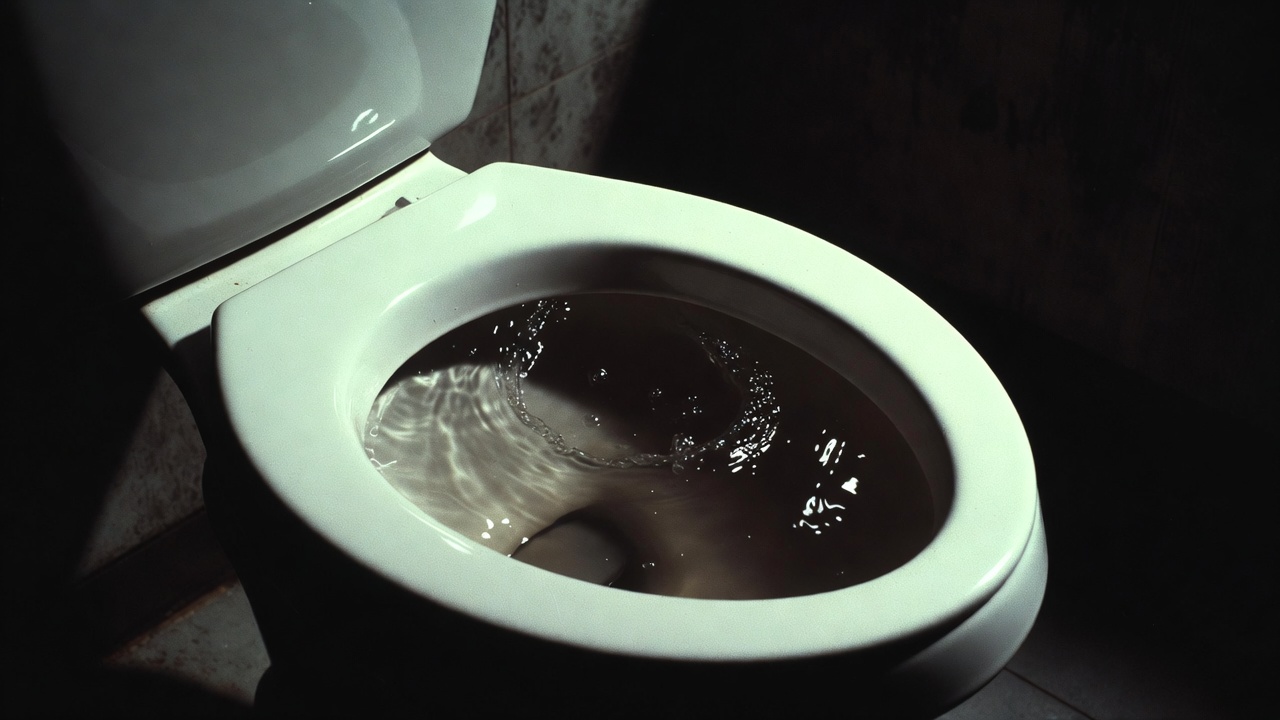
The clearest signs your septic tank is full: slow drains throughout the house, gurgling sounds from toilets, sewage odors inside or outside, and unusually lush green grass over the drain field. If you see sewage backing up or standing water near the drain field, stop all water use immediately and call a professional.
8 Warning Signs Your Septic Tank Is Full
When a single drain is slow, it's usually a local clog. When multiple drains — sinks, showers, toilets — are all slow simultaneously, it points to the main sewer line or the septic tank itself being at capacity.
A gurgling or bubbling sound when you flush the toilet or run a sink drain means air is being displaced in the drain lines — often because there's inadequate capacity in the tank for the water trying to flow in.
When the tank is full, gases have nowhere to go and can push back through drain traps into living spaces. A persistent sewage smell inside — especially near floor drains — is a strong indicator the system needs attention.
A patch of dramatically greener, faster-growing grass over where your drain field is located indicates nutrient-rich effluent is surfacing close to or on the ground surface. The grass loves it; your system is in trouble.
Soggy, saturated ground over the drain field — even in dry weather — means effluent is surfacing rather than percolating into the soil. This is beyond a "full tank" warning; the drain field may be failing.
The most urgent sign. Raw sewage coming back up through toilets, shower drains, or floor drains means the system is completely overwhelmed. Stop all water use immediately and call a professional — this is an emergency.
For most households, a tank fills to pumpable levels every 3–5 years. If you can't remember when it was last pumped, it may be full even without obvious symptoms yet. Schedule an inspection proactively.
Increased flies, mosquitoes, or other insects near the tank or drain field can indicate surfacing waste — a sign the system is overwhelmed and effluent is reaching above-ground level.
Is It Full or Just Clogged?
These symptoms overlap significantly. Here's how to distinguish between a full tank and a clogged line:
| Symptom Pattern | More Likely: Full | More Likely: Clogged |
|---|---|---|
| Multiple fixtures slow | ✔ Full | Possible (main line) |
| Single fixture slow | Unlikely | ✔ Local clog |
| Odor throughout house | ✔ Full | Possible (vent issue) |
| Wet ground over field | ✔ Overwhelmed | Unlikely |
| Gurgling after flushing | ✔ Full | ✔ Clogged |
| 3+ years since last pump | ✔ Likely full | Coincidental |
When in doubt: call a professional and have them check the sludge level. This takes about 10 minutes and removes all uncertainty.
How Full Should a Septic Tank Be?
This surprises many homeowners: a septic tank is designed to be full of liquid. A properly functioning tank operates at full liquid capacity at all times — the liquid level sits just below the outlet pipe. What fills up over time is the solid sludge layer at the bottom and the scum layer at the top.
A tank needs pumping when the sludge layer reaches within 12 inches of the outlet baffle (usually the bottom third of the tank's depth). At this point, solids can escape into the drain field and cause irreversible damage.
A professional measures this during inspection using a "sludge judge" — a clear hollow tube that samples the bottom layer. You can also request that your pump operator measure it during your next scheduled pump-out.
If the combined sludge and scum layers take up more than 1/3 of the tank's total volume, it's time to pump. For a 1,000-gallon tank, that's when the sludge layer reaches about 12 inches from the outlet.
How Long Can You Wait When the Tank Is Full?
This depends on where you are in the warning progression:
- Just slow drains, no backup yet: You have days to a couple of weeks. Reduce water use significantly and schedule pumping within the week.
- Gurgling + odors but no backup: 24–72 hours. Minimize water use and call a professional same day.
- Sewage backing up into fixtures: Stop water use immediately. This is an emergency. Call for same-day or next-day service.
- Wet ground over drain field: Stop all water use and call immediately. The drain field may be failing and continuing to use the system risks permanent damage.
How to Extend Your Pump-Out Interval
The single most effective thing you can do is maintain a strong bacterial colony in the tank. Bacteria break down organic solids into liquid — slowing the accumulation of the sludge layer that triggers the need for pumping. Monthly treatment tablets are the most practical way to maintain this.
With consistent monthly treatment, many homeowners extend their pump-out interval from 3 years to 5–7 years without any degradation in system performance. Combined with responsible usage (no flushable wipes, appropriate toilet paper, spread laundry loads), this can result in significant long-term savings.
Septifix's 10 billion CFU formula is the most potent consumer tablet available. Consistent monthly use slows sludge accumulation significantly — the primary mechanism behind extended pump-out intervals.
FAQs
If you're seeing early warning signs (slow drains, minor gurgling), a quick shower is unlikely to cause immediate harm — but keep it brief. If there's any sewage backup or standing water near the drain field, use no water at all until the tank is pumped.
Locate the inspection ports on your tank lid — many modern tanks have risers that give direct access. Insert a long stick or measuring tape to sample the bottom. If you hit a soft layer within 12 inches of the outlet pipe level, it's time to pump. This works but requires knowing your tank's layout and depth.
Sludge overflows into the drain field, clogging soil pores that cannot be unclogged. The drain field fails — permanently. A drain field replacement costs $5,000–$20,000. A pump-out costs $300–$600. The math is very clear.
Not necessarily. If you catch it before sludge overflows into the field, pumping the tank restores normal operation. Only when solids have been allowed to pass into the field does permanent damage occur. This is why acting on early warning signs matters so much.