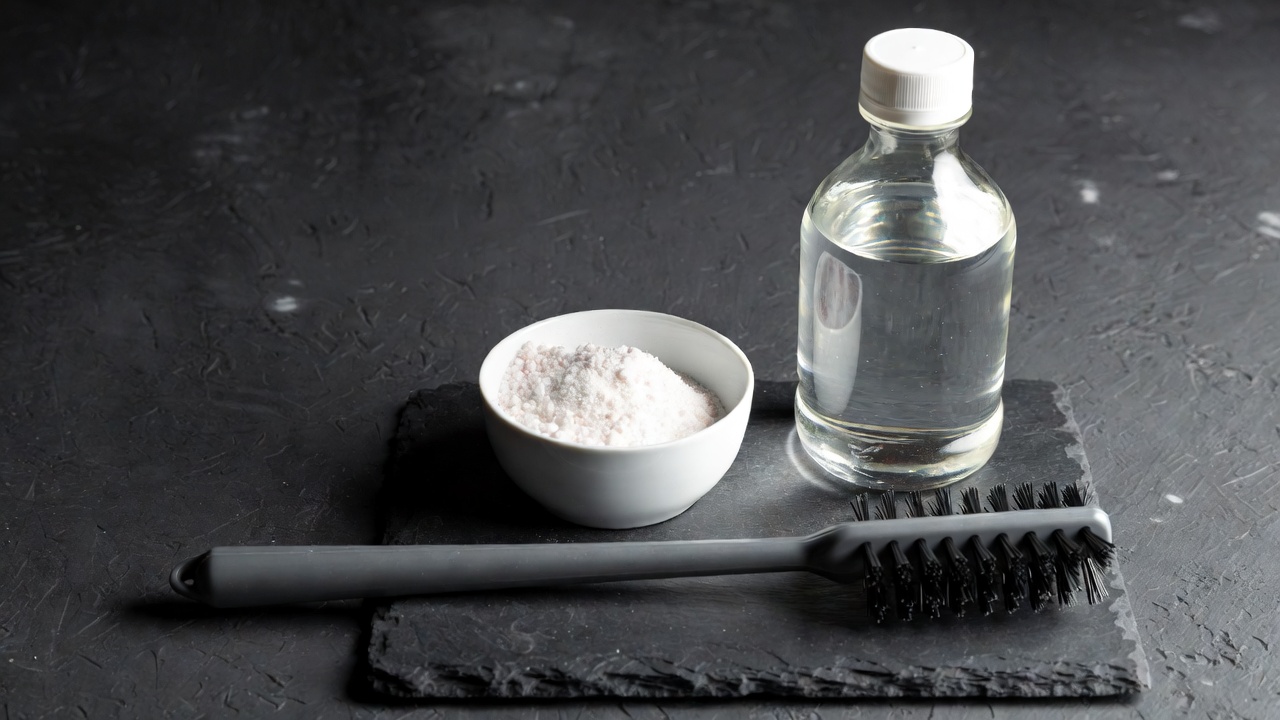
Vinegar and baking soda work well for routine drain maintenance and odor control — but not for serious clogs. The fizzing reaction dislodges light buildup and neutralizes odor-causing acids. It's completely safe for septic systems. For stubborn clogs, a drain snake or enzyme cleaner is more effective.
The Science: What Actually Happens
Baking soda (sodium bicarbonate) is a base. White vinegar is an acid (acetic acid). When they meet in your drain, they produce a vigorous fizzing reaction — carbon dioxide gas bubbles expanding rapidly.
Here's the honest chemistry: the reaction itself isn't what cleans your drain. By the time the baking soda and vinegar mix together, most of the chemical energy is spent producing the fizz rather than attacking grease or buildup. What actually helps is:
- The mechanical action — the fizzing physically dislodges loose debris and light biofilm from pipe walls
- The baking soda — neutralizes acidic odor compounds, deodorizing the drain
- The hot water flush — the follow-up hot water rinse is often doing most of the actual cleaning work
This doesn't make the method useless — it just means having realistic expectations. Think of it as a drain maintenance rinse, not a drain cleaner.
How to Clean Drains With Baking Soda and Vinegar
Pour the baking soda first, then let it sit for 10–15 minutes before adding the vinegar. The dry baking soda has more time to absorb into pipe grease and odor compounds before the acid arrives — making the reaction more targeted.
What Vinegar and Baking Soda Works For
- Slow drains with light buildup — soap scum, light grease, and loose hair debris respond well to the fizz-and-flush method
- Drain odors — baking soda is excellent at neutralizing the sulfur and acid compounds that cause drain smells
- Monthly maintenance — as a routine monthly drain flush (especially for rarely-used drains), it keeps buildup from accumulating between professional cleanings
- Garbage disposal freshening — put ice cubes and a handful of baking soda in the disposal, run it, then flush with vinegar for a quick deodorize
- Drain fly prevention — the fizz dislodges some of the biofilm drain flies breed in, making it a useful part of a drain fly prevention routine
What It Won't Fix
- Solid clogs — hair balls, grease plugs, or objects in the pipe need a snake or plunger. The fizz has no mechanical force to push through a solid blockage.
- Heavy grease buildup — significant grease accumulation requires either hot water over time, enzyme cleaners, or a plumber's jetter.
- Deep pipe blockages — beyond the first few feet of pipe, the diluted vinegar-baking soda mixture loses all effectiveness.
- Tree root intrusion — roots require chemical or mechanical root treatment. See our root treatment guide.
- Full septic backups — if your septic system is backing up, this won't help. See our septic clog guide.
Is Vinegar and Baking Soda Safe for Septic Tanks?
Yes — this is one of the clearest answers in septic maintenance. Both white vinegar and baking soda are:
- Naturally occurring compounds that break down completely in the environment
- Non-toxic to the bacteria in your septic tank
- Free of chlorine, bleach, phosphates, and other compounds that harm tank ecosystems
When used as described (½ cup baking soda + 1 cup vinegar monthly), the amounts reaching your tank are minimal and well within safe ranges. The acetic acid in vinegar is fully neutralized by the reaction before it reaches the tank in any meaningful concentration.
Compare this to what you should never use on a septic system: Drano, Liquid-Plumr, bleach-based cleaners, or any product with sodium hydroxide. These kill the bacterial ecosystem your tank depends on.
1. Baking soda + vinegar — maintenance and odor
2. Enzyme drain cleaner — biofilm and moderate buildup
3. Drain snake / plunger — mechanical clogs
4. Boiling/hot water flush — grease softening
Never: Drano, bleach, lye-based cleaners
Better Options for Tough Clogs
Enzyme Drain Cleaner (Best for Biofilm and Grease)
ⓘ Affiliate disclosure: links below may earn us a commission at no extra cost to you. Details →
Enzyme cleaners contain biological enzymes (protease for proteins, lipase for fats, cellulase for paper) that digest organic buildup far more thoroughly than the baking soda-vinegar reaction. Pour it down the drain before bed, let it work overnight, and flush in the morning. Completely septic-safe — the enzymes actually benefit your tank.
See Enzyme Drain Cleaners →Drain Snake / Hand Auger (Best for Hair and Solid Clogs)
A $25 hand snake from any hardware store handles 90% of household clogs that baking soda and vinegar can't touch. Insert it into the drain, rotate the handle, and pull out the blockage. No chemicals, no risk to pipes or the septic system, immediate results.
Septic Treatment Tablets (Best for Ongoing Maintenance)
For homeowners on septic systems, monthly bacterial treatment tablets do what baking soda and vinegar do — and much more. The enzyme payload travels through all your drain lines on the way to the tank, digesting grease and biofilm continuously, while also maintaining the tank's bacterial health.
One tablet monthly keeps drain lines clean through enzyme action, eliminates odors, and protects your tank — doing the work of a drain cleaner and a septic treatment simultaneously.
FAQs
½ cup of baking soda followed by 1 cup of white vinegar is the standard amount for a household drain. For larger drains (floor drains, utility sinks), double the amounts. Using significantly more doesn't improve effectiveness — the reaction is self-limiting once the compounds neutralize each other.
Yes — apple cider vinegar has the same acetic acid content as white vinegar (typically 5%) and works identically for drain cleaning. White vinegar is cheaper and the more practical choice. The type of vinegar matters far less than the follow-up hot water flush.
Monthly is ideal for routine maintenance. Weekly use on a problem drain (frequent hair clogs, persistent odor) is safe and won't harm your pipes or septic system. There's no benefit to daily use — you're not adding more cleaning power, just spending more baking soda and vinegar.
Yes — completely safe. Neither baking soda nor vinegar at these concentrations damages PVC, copper, cast iron, or ABS plastic pipes. The mild acidity of vinegar is well below what would cause any corrosion. It's significantly gentler than the alkaline commercial drain cleaners that can damage older pipes over time.
For a partially slow drain with light buildup — sometimes yes. For a fully clogged drain — rarely. The reaction produces carbon dioxide bubbles that can dislodge loose debris, but it has no mechanical force to push through a solid hair ball or grease plug. For real clogs, use a drain snake first, then maintain with baking soda and vinegar monthly.