

Are clogged drains a sign of a more significant issue with your home’s septic system? Even well-maintained systems can fall victim to blockages, but what if a deep cleaning could restore your system’s efficiency?
A clogged septic system can lead to backups, damage, and costly repairs. Regular maintenance is crucial, but sometimes, a more thorough approach is necessary. In this article, we’ll explore the importance of a deep clean for your septic system and what you can expect from the process.
Key Takeaways
- Understanding the importance of deep cleaning for septic systems
- Recognizing the signs that indicate your septic system needs a deep clean
- Learning the steps involved in the deep cleaning process
- Discovering how to maintain your septic system after a deep clean
- Understanding the benefits of regular septic system maintenance
1. Understanding Your Septic System and Why Deep Cleaning Matters
Septic systems play a vital role in treating wastewater, and understanding how they work is essential. A septic tank is a self-operating system used to clean household wastewater. It’s crucial to comprehend the inner workings of this system to maintain a healthy and safe living environment.
How Your Septic Tank Functions
A septic tank functions by holding wastewater long enough to allow solids to settle to the bottom and oils and grease to float to the top. The liquid wastewater then exits the tank into the drain field, where it’s further treated by the soil. This process is critical for preventing wastewater from contaminating the environment and posing health risks.
The tank is designed to separate waste into three layers: scum, effluent, and sludge. The scum layer consists of oils, greases, and other lightweight materials that float on top. The effluent is the middle layer, which is the relatively clear liquid that flows out into the drain field. At the bottom is the sludge layer, made up of heavier solids that settle.
The Role of Bacteria in Waste Breakdown
Bacteria play a crucial role in breaking down waste within the septic tank. These microorganisms decompose the organic matter, reducing the volume of sludge and scum. A healthy balance of bacteria is essential for the proper functioning of the septic system. Factors such as the use of antibacterial products or excessive water usage can disrupt this balance, leading to potential issues.
To maintain a healthy bacterial balance, it’s recommended to use septic system treatment products that support bacterial growth. These products can help restore the natural balance of bacteria in the tank, ensuring efficient waste breakdown.
What Happens When Tanks Get Clogged
When a septic tank gets clogged, it can lead to significant problems, including sewage backups, slow drains, and unpleasant odors. Clogs occur when solids build up and are not adequately broken down by bacteria, or when the tank is not pumped regularly. This can cause the tank to fill with wastewater, leading to overflows and potential environmental hazards.
Regular septic tank inspection and maintenance are critical to preventing clogs. This includes pumping the tank as needed and ensuring that the bacterial balance is maintained. By understanding how your septic system works and taking proactive steps, you can avoid costly repairs and ensure the longevity of your system.
2. Warning Signs Your Septic Tank Needs Immediate Attention
When a septic tank is clogged or failing, it often exhibits certain symptoms that demand immediate attention. Being aware of these warning signs can help homeowners take prompt action, potentially avoiding costly repairs or health hazards associated with a malfunctioning septic system.
Slow Drains Throughout Your Home
One of the earliest indicators of a septic issue is the presence of slow drains throughout your home. If water is taking longer than usual to drain from sinks, toilets, and showers, it could be a sign that your septic tank is full or clogged. Ignoring slow drains can lead to more severe problems, such as backups and overflows, which can be messy and costly to fix.
Sewage Backups and Overflows
Sewage backups and overflows are among the most alarming signs that your septic tank requires immediate attention. If you notice wastewater backing up into your home or overflowing near the drain field, it’s a clear indication that your septic system is failing. This situation not only creates unpleasant odors but also poses serious health risks due to the presence of harmful bacteria and pathogens.
Unpleasant Odors Near the Tank or Drain Field
Unpleasant odors, especially those resembling sewage, near your septic tank or drain field are a strong indication of a problem. These odors can be a sign that your septic tank is leaking or that there’s a blockage preventing the proper flow of wastewater. Addressing these odors promptly is crucial to prevent further complications and potential health hazards.
Lush Green Grass Over the Drain Field
While a healthy, lush green lawn is often desirable, unusually vibrant grass over your drain field can be a sign of a septic issue. This phenomenon occurs because the wastewater from your septic tank is not being properly treated and is acting as a fertilizer. If you notice that the grass over your drain field is significantly greener or more vigorous than the surrounding areas, it may indicate that your septic system is not functioning correctly.
Being vigilant about these warning signs can help you identify potential septic tank issues early on. If you observe any of these symptoms, it’s advisable to seek the services of professional septic tank cleaners to assess and rectify the problem. Regular maintenance, including septic tank cleaning services, can prevent many of these issues and ensure your septic system operates efficiently.
- Monitor your drains for slow drainage.
- Be aware of any sewage backups or overflows.
- Notice any unusual odors near your septic tank or drain field.
- Observe the condition of your lawn, especially over the drain field.
By staying informed and proactive, homeowners can avoid the inconvenience and expense associated with septic system failures. Regular inspections and timely interventions are key to maintaining a healthy and functional septic system.
3. Preparing for a Septic Tank Deep Clean
To deep clean a septic tank safely and efficiently, homeowners must first prepare the necessary safety gear and equipment. This preparation is crucial for a successful deep clean process.
Essential Safety Equipment You Cannot Skip
When it comes to septic tank maintenance, safety should be the top priority. The right safety equipment can prevent accidents and ensure a smooth deep clean process.
Respiratory Protection
A respirator or mask is essential for protecting against harmful gases and particles emitted by septic tanks. Ensure that your respiratory protection is designed for chemical and biological hazards.
Protective Clothing and Gloves
Wearing protective clothing and gloves can safeguard against skin contact with hazardous materials. Choose waterproof and puncture-resistant gloves for maximum protection.
Tools and Equipment Needed
Having the right tools and equipment is vital for an effective septic tank deep clean. Here are some of the essentials:
Pumping Equipment
A septic tank pumping truck or a portable pump is necessary for removing sludge and scum from the tank. Ensure that the equipment is in good working condition.
Inspection Tools
Inspection tools, such as a sludge judge or a scum stick, help measure the thickness of sludge and scum layers. These tools are crucial for assessing the tank’s condition.
Cleaning Supplies
Use septic-safe cleaning supplies to clean the tank and its components. Avoid harsh chemicals that can disrupt the bacterial balance in the septic system.
By preparing the necessary safety equipment and tools, homeowners can ensure a safe and effective septic tank deep clean. For more tips on best septic tank maintenance practices, refer to our comprehensive guide.
4. Critical Safety Precautions Before You Begin
The importance of safety cannot be overstated when it comes to cleaning and maintaining your septic tank. Septic tanks contain hazardous materials and gases that can pose serious health risks if not handled properly.
Understanding Dangerous Septic Tank Gases
Septic tanks produce gases such as methane and hydrogen sulfide as byproducts of waste decomposition. These gases can be toxic and even explosive in certain concentrations. It’s essential to understand the risks associated with these gases to take appropriate precautions.
Never Enter a Septic Tank
Entering a septic tank is extremely dangerous due to the risk of gas poisoning and the potential for the tank to be oxygen-depleted. Never attempt to enter a septic tank under any circumstances.
Ensuring Proper Ventilation
Before starting any work on your septic tank, ensure that the area is well-ventilated. This can help to dissipate any dangerous gases that may have accumulated. Proper ventilation is crucial for safe septic tank pumping and maintenance.
Having a Safety Partner Present
Whenever you’re working on or near your septic tank, it’s highly recommended to have someone else with you. This safety partner can provide assistance in case of an emergency and help ensure that safety protocols are followed.
| Safety Precaution | Description | Importance Level |
|---|---|---|
| Understanding Septic Tank Gases | Knowledge of the gases produced by septic tanks and their risks. | High |
| Proper Ventilation | Ensuring the area around the septic tank is well-ventilated. | High |
| Safety Partner | Having someone present to assist in case of emergencies. | High |
| Avoiding Tank Entry | Never entering the septic tank to avoid gas poisoning and oxygen depletion. | Critical |
By following these critical safety precautions, you can significantly reduce the risks associated with septic tank maintenance, including septic tank pumping. Remember, safety should always be your top priority when dealing with potentially hazardous systems like septic tanks.
5. Step One: Locating and Accessing Your Septic Tank
Accessing your septic tank begins with finding its location, a task that requires careful examination of property records or visual inspection for the access lid. Locating the septic tank is a critical step in the septic tank inspection process, ensuring that your system is functioning correctly and efficiently.
Finding Your Tank Using Property Records
One of the most reliable methods for locating your septic tank is by consulting your property records. These records often include diagrams or maps that indicate the location of the septic tank and drain field. If you’re unsure where to find these records, you can contact your local county recorder’s office or check with your homeowner’s association.
Steps to locate property records:
- Contact your local county recorder’s office to inquire about available records.
- Check with your homeowner’s association for any relevant documents.
- Review your property deed or survey reports for septic system diagrams.
Uncovering the Access Lid
If property records are unavailable or unclear, you may need to visually inspect your yard to find the access lid. The access lid is typically a round or square cover made of metal or plastic, often located near the house or in a conspicuous area of the yard.
Tips for finding the access lid:
- Look for a slight depression or a different grass color in your yard, which can indicate the location of the septic tank.
- Probe the ground gently with a rod to locate the tank, being careful not to damage the lid or pipes.
- Check for any visible signs of the access lid, such as a lid or riser extending above the ground surface.
Removing the Lid Safely
Once you’ve located the access lid, the next step is to remove it safely. This requires caution, as septic tanks can contain hazardous gases and materials.
Safety precautions when removing the lid:
- Wear protective gloves and eyewear to prevent exposure to potential contaminants.
- Use a lid removal tool to pry the lid open, taking care not to spill any contents.
- Be aware of your surroundings and ensure good ventilation to avoid inhaling harmful gases.
By following these steps, you can safely locate and access your septic tank, preparing it for a thorough inspection and maintenance. Remember, if you’re unsure or uncomfortable at any point, consider consulting a professional for assistance.
6. Step Two: Conducting a Thorough Septic Tank Inspection
Inspecting your septic tank is a critical step that ensures you identify any potential issues or damage. A thorough inspection will help you understand the condition of your tank and determine the best course of action for the deep clean process.
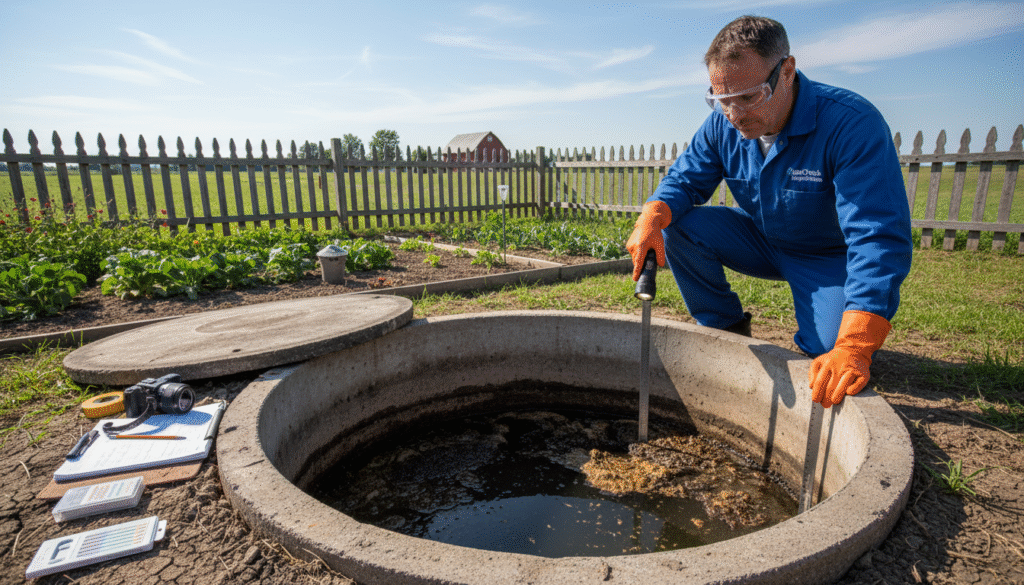
Measuring Sludge and Scum Layer Thickness
The first step in inspecting your septic tank is to measure the thickness of the sludge and scum layers. The sludge layer is the solid waste that settles at the bottom of the tank, while the scum layer is the layer of grease and oils that floats on top. To measure these layers, you can use a sludge judge or a similar tool designed for this purpose. It’s essential to record these measurements to determine if your tank needs pumping.
Identifying Clogs in Inlet and Outlet Pipes
Clogs in the inlet and outlet pipes can cause significant problems with your septic system’s operation. To identify any clogs, inspect the pipes for any signs of blockage or damage. You can use a plumbing snake or a similar tool to check for clogs and clear them if necessary. Ensuring that these pipes are clear is crucial for the proper functioning of your septic system.
Checking for Cracks and Structural Damage
Cracks and structural damage to your septic tank can lead to leaks and other serious issues. Inspect the tank for any signs of cracking or damage, both inside and out. Pay particular attention to the areas around the inlet and outlet pipes, as these are common places for damage to occur. If you find any cracks or damage, it’s essential to repair or replace the tank as needed.
Inspecting Baffles and Filters
Baffles and filters play a crucial role in the operation of your septic system. Inspect these components to ensure they are in good condition and functioning properly. The baffles should be intact and correctly positioned to prevent scum and sludge from entering the outlet pipe. Filters should be clean and free of debris. If you find any issues with these components, consider replacing them to maintain the health of your septic system.
By following these steps and conducting a thorough inspection, you’ll be able to identify any potential issues with your septic tank and take the necessary steps to address them before proceeding with the deep clean process. This will help ensure that your septic system operates efficiently and effectively, reducing the risk of backups and other problems.
7. Step Three: The Septic Tank Pumping Process
To keep your septic system running smoothly, it’s crucial to understand the pumping process. The septic tank pumping process is a critical step in maintaining a healthy septic system. Professional septic tank pumping is a task that requires specialized equipment and expertise.
How Professional Septic Tank Pumping Works
Professional septic tank pumping involves using a vacuum truck to remove the accumulated sludge and scum from the tank. The process begins with locating the tank and uncovering the access lid. The pumper then inserts a hose into the tank and uses a vacuum to remove the waste.
The waste is then transported to a treatment facility for proper disposal. It’s essential to hire a reputable septic tank cleaning service to ensure that the job is done correctly and safely.
Determining How Much to Pump Out
The amount of waste to be pumped out depends on several factors, including the size of the tank, the number of occupants in the household, and the amount of wastewater generated. A professional will assess the tank’s condition and determine how much to pump out.
Why Complete Pumping Is Sometimes Necessary
In some cases, complete pumping of the tank may be necessary. This is typically the case when the tank is heavily clogged or has not been pumped in a long time. Complete pumping ensures that the tank is thoroughly cleaned and functioning properly.
Proper Disposal of Septic Waste
Proper disposal of septic waste is critical to prevent environmental contamination. Reputable septic tank cleaning services will ensure that the waste is transported to a licensed treatment facility for processing.
8. Step Four: Performing the Septic Tank Deep Clean
To keep your septic system running smoothly, a thorough deep clean is necessary, involving multiple critical tasks. This step is crucial for maintaining the system’s efficiency and ensuring that it continues to function properly over time.
Removing Stubborn Clogs and Blockages
The first step in deep cleaning your septic tank is to remove any stubborn clogs and blockages that may be hindering its performance. This involves:
- Inspecting the inlet and outlet pipes for any signs of clogging or damage.
- Using specialized tools to clear any blockages found in these pipes.
Clearing the Inlet Pipe
The inlet pipe is responsible for directing wastewater into the septic tank. Clearing this pipe involves:
- Using a plumbing snake or auger to remove any debris or buildup.
- Inspecting the pipe for any damage or deterioration that may need to be addressed.
Unclogging the Outlet Pipe
The outlet pipe carries treated wastewater from the septic tank to the drain field. Unclogging this pipe requires:
- Carefully inspecting the pipe for any signs of blockage or damage.
- Using appropriate tools to clear any clogs or buildup found in the pipe.
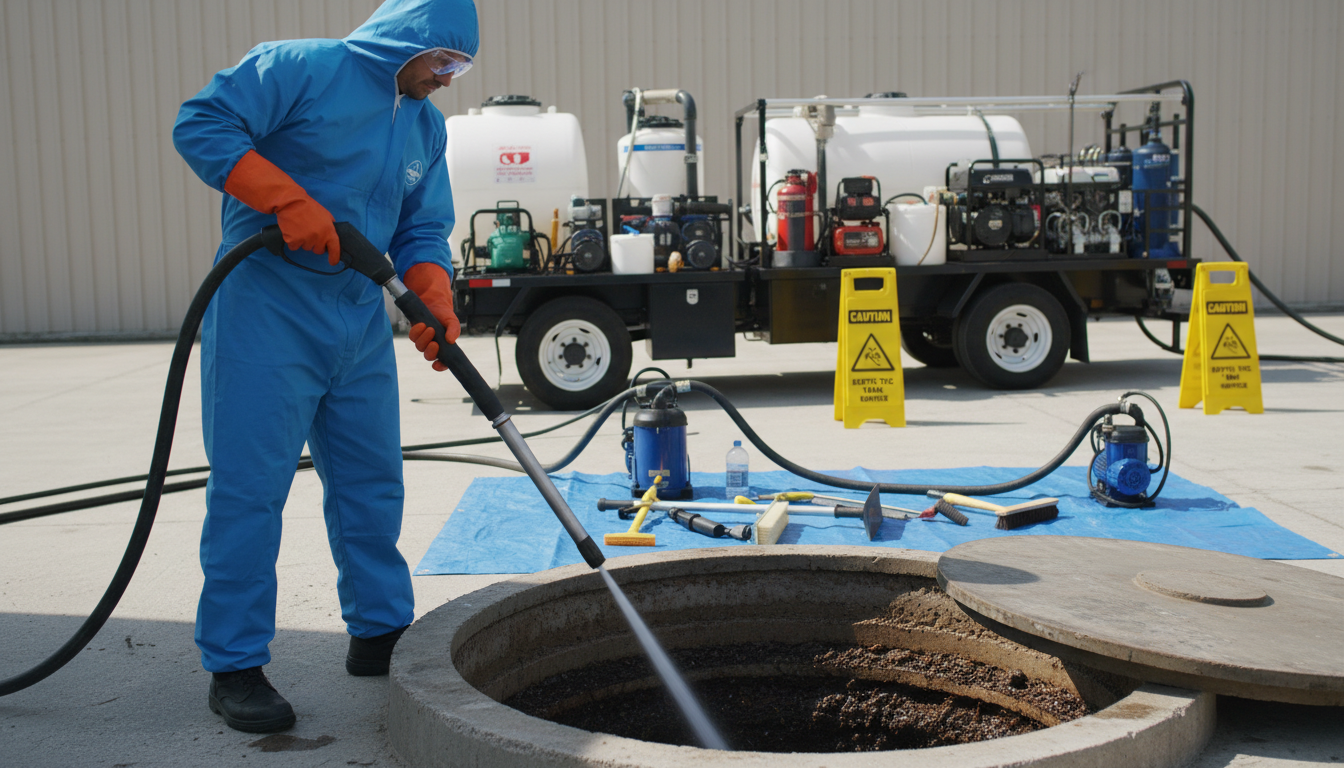
Power Washing Interior Tank Walls
After addressing any clogs or blockages, the next step is to power wash the interior walls of the septic tank. This process involves:
- Using a high-pressure washer to remove any stubborn grime or buildup on the tank walls.
- Ensuring that all surfaces are thoroughly cleaned to prevent future issues.
Cleaning and Restoring Baffles
Baffles play a critical role in the functioning of your septic system by preventing sludge from entering the outlet pipe. Cleaning and restoring baffles involves:
- Inspecting the baffles for any signs of damage or wear.
- Cleaning or replacing the baffles as necessary to ensure they continue to function properly.
Servicing or Replacing Effluent Filters
Effluent filters are essential for preventing solids from entering the drain field. Servicing or replacing these filters involves:
- Inspecting the filters for any signs of clogging or damage.
- Cleaning or replacing the filters as needed to maintain optimal system performance.
By following these steps and ensuring that each component of your septic system is properly maintained, you can help extend the life of your system and prevent costly repairs down the line. Regular deep cleaning, combined with best septic tank maintenance practices, is key to a well-functioning septic system.
9. Step Five: Restoring Bacterial Balance with Septic System Treatment
Maintaining a balanced ecosystem within your septic tank is crucial for its efficient operation and longevity. The bacteria in your septic system play a vital role in breaking down waste, and restoring their balance is essential for maintaining a healthy system.
Why Bacterial Treatment Matters
Bacterial treatment is crucial because it helps to reintroduce beneficial bacteria into your septic system, enhancing its ability to break down waste. This is particularly important after pumping or when you’ve noticed issues with your system’s performance. Beneficial bacteria are the backbone of a septic system, converting waste into liquid that can be safely absorbed by the soil.
Without adequate bacterial balance, your septic system can fail, leading to costly repairs and potential health hazards. Factors such as the use of antibacterial products, excessive water usage, or the introduction of non-biodegradable materials can disrupt this delicate balance.
Selecting the Right Septic System Treatment Products
Choosing the right septic system treatment products is vital to ensure you’re introducing the correct type and amount of bacteria into your system. Look for products that contain a variety of bacterial strains, as these will be more effective at breaking down different types of waste.
| Product Type | Description | Benefits |
|---|---|---|
| Liquid Treatments | Contain a high concentration of bacteria and enzymes | Quick to act, easy to apply |
| Powdered Treatments | Often more cost-effective, can be added directly to the tank | Cost-effective, versatile |
| Tablet Treatments | Slow-release, convenient for maintenance | Convenient, consistent release |
How to Properly Add Bacteria to Your Tank
Adding bacteria to your septic tank should be done according to the product’s instructions and your system’s specific needs. Generally, it’s recommended to add treatments during the evening or at night when the system is less active, allowing the bacteria to distribute evenly.
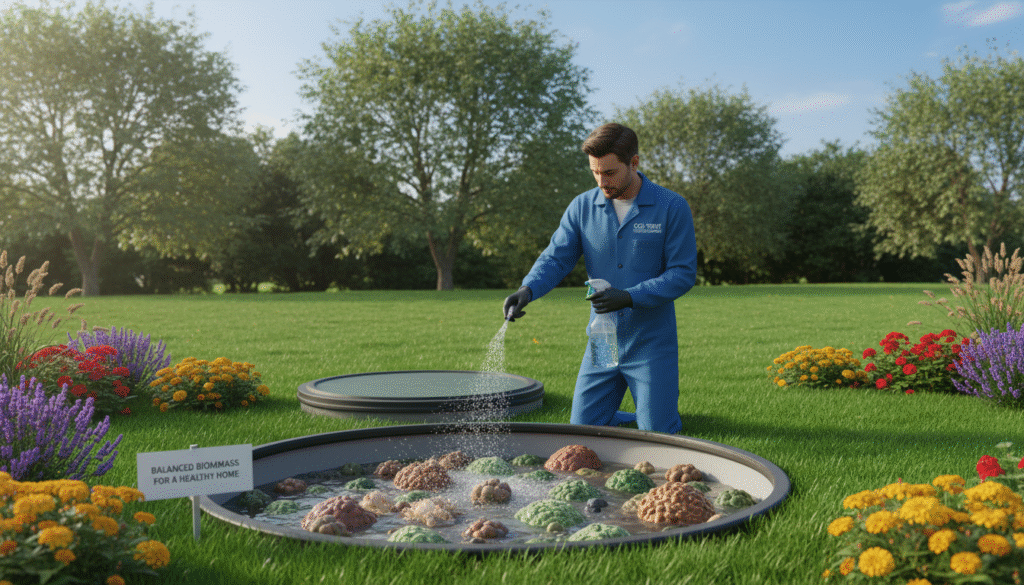
It’s also important to maintain a regular maintenance schedule, including inspections and pumping as necessary, to ensure your septic system continues to function properly. By combining regular maintenance with the right bacterial treatment, you can extend the life of your septic system and prevent potential issues.
10. When to Hire Professional Septic Tank Cleaners
Septic tank cleaning can be a DIY task, but knowing when to call a professional can save you from future headaches. While some homeowners may feel comfortable tackling septic tank maintenance on their own, there are situations where hiring a professional is not only beneficial but necessary.
Advantages of Hiring Experts
Professional septic tank cleaners bring a level of expertise and specialized equipment to the job that can be hard to match with DIY methods. They can accurately diagnose issues, perform thorough cleanings, and ensure that your septic system is functioning properly. This expertise is particularly valuable for complex systems or when dealing with stubborn clogs and blockages.
What Professionals Bring to the Table
Experienced septic professionals come equipped with the latest technology and techniques to handle even the most challenging septic tank cleaning tasks. They can identify potential problems before they become major issues, provide guidance on maintenance, and ensure compliance with local regulations. Their work doesn’t just stop at cleaning; it’s about ensuring your system’s longevity and efficiency.
Understanding the Costs
The cost of hiring a professional for septic tank cleaning can vary widely based on factors such as the size of your tank, the complexity of the job, and your location. On average, homeowners can expect to pay between $200 to $600 for a professional septic tank pumping service. While this may seem like a significant upfront cost, it can prevent more costly repairs down the line.
Limitations and Risks of DIY
While DIY septic tank cleaning is possible, it’s not without its risks. Without the proper equipment and knowledge, homeowners can inadvertently cause more harm than good, leading to costly repairs or even safety hazards. Recognizing the limitations of DIY methods is crucial in deciding when to seek professional help.
11. Best Septic Tank Maintenance Practices for Prevention
To prevent septic system failures, it’s crucial to adopt a proactive maintenance approach. Regular maintenance not only ensures the longevity of your septic system but also prevents costly repairs and environmental hazards.
Recommended Pumping and Inspection Schedule
Regular pumping and inspections are vital for maintaining a healthy septic system. The frequency of pumping depends on several factors, including the size of your tank, the number of people in your household, and your water usage patterns.
| Household Size | Tank Size (Gallons) | Pumping Frequency |
|---|---|---|
| 1-2 | 750-1000 | Every 5-7 years |
| 3-4 | 1000-1500 | Every 3-5 years |
| 5 or more | 1500 or more | Every 2-3 years |
Septic Tank Maintenance Tips for Daily Use
Daily habits can significantly impact your septic system’s health. Being mindful of what you flush and how you use water can prevent clogs and backups.
What You Should Never Flush
- Non-biodegradable items like sanitary products, wet wipes, and paper towels
- Chemicals such as paint, pesticides, and harsh cleaning products
- Food waste and grease
Protecting Your Drain Field
Your drain field is a critical component of your septic system. Avoid driving or parking over it, and keep it free from debris and trees.
Using Septic-Safe Products
Using products that are safe for your septic system can help maintain its health. Look for products labeled as “septic-safe” or those that are biodegradable.
Monitoring Water Usage
Being mindful of your water usage can help prevent overloading your septic system. Fix leaks promptly, and consider installing low-flow fixtures.
By following these best practices, you can ensure your septic system remains healthy and functional, reducing the need for deep cleaning for septic systems and maintaining a safe environment for your family.
12. Conclusion
Regular septic tank maintenance is crucial to prevent costly repairs and ensure the longevity of your septic system. By following the steps outlined in this article, you can keep your septic tank in good working condition.
Some essential septic tank maintenance tips include regular inspections, pumping, and deep cleaning. It’s also important to be mindful of your water usage and use septic-safe products to maintain a healthy balance of bacteria in your tank.
By taking proactive steps to maintain your septic system, you can avoid unpleasant surprises and costly repairs down the line. Stay on top of your septic tank maintenance to ensure a safe and healthy environment for you and your family.