

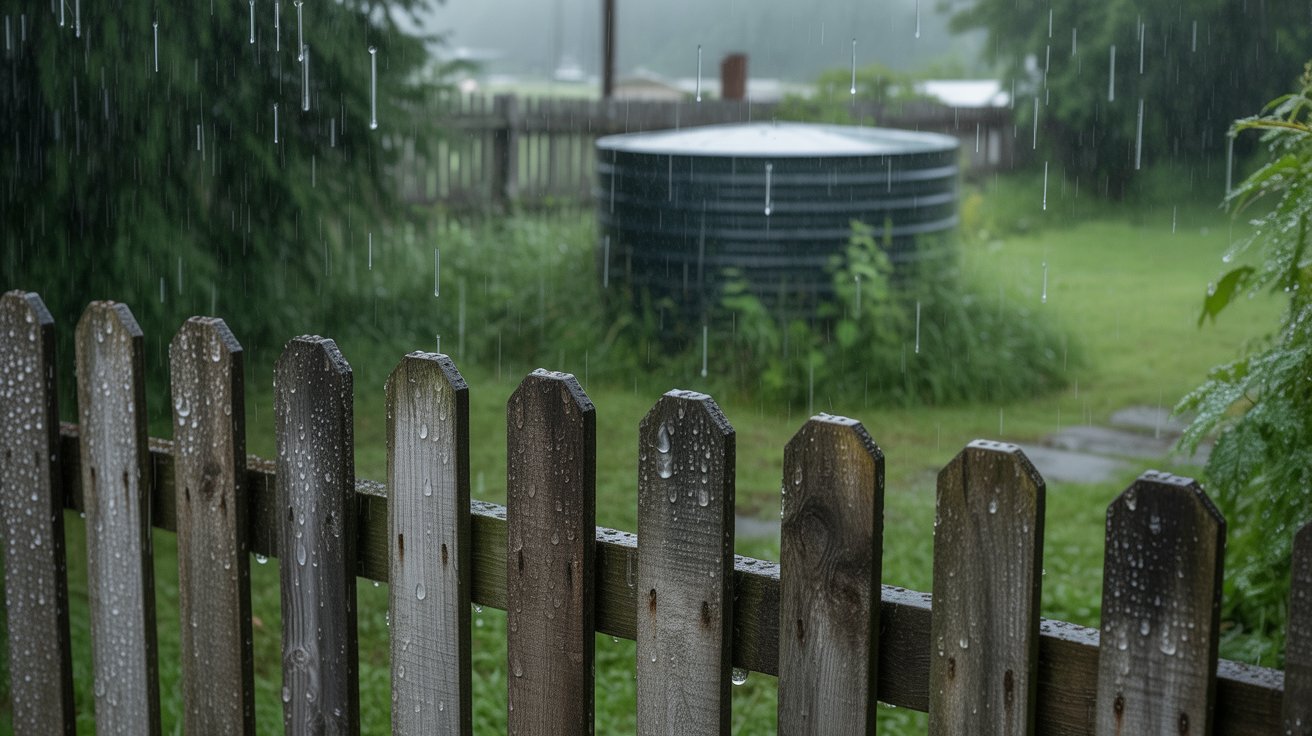
Are you aware of the potential risks to your home’s septic system during extreme weather conditions? Excessive rainfall and flooding can cause significant problems, including contamination risks and system damage.
When the ground becomes saturated with water, it can put a strain on your septic system, leading to potential failures. It’s crucial to understand the impacts of heavy rain and flooding on your system’s functionality and take necessary precautions to maintain its integrity.
Key Takeaways
- Understand the risks associated with heavy rain and flooding on septic systems.
- Learn how to maintain your septic system during extreme weather events.
- Discover the importance of regular septic system inspections.
- Find out how to prevent contamination risks associated with septic system failures.
- Explore measures to protect your septic system from damage caused by flooding.
Understanding Your Septic System Basics
Understanding how your septic system works is crucial, especially when faced with extreme weather conditions. A typical septic system is designed to handle and process wastewater from households, and it’s composed of several key components that work together to treat and dispose of waste.
Components of a Typical Septic System
A standard septic system includes an inlet pipe, septic tank, and drain field. The septic tank is where wastewater from the house flows into, allowing solids to settle and oils to float to the top. The inlet pipe directs wastewater into the tank, while the drain field disperses the treated wastewater into the soil.
How Septic Systems Process Waste Under Normal Conditions
Under normal conditions, a septic system processes waste through a combination of physical and biological processes. Wastewater enters the septic tank, where it undergoes separation and treatment. The treated effluent then flows into the drain field, where it’s further filtered and purified by the soil. This process relies on the system’s design and the soil’s ability to absorb and treat the wastewater.
Regular maintenance is essential to ensure the system operates efficiently. This includes regular inspections and pumping of the septic tank to prevent system failures.
Heavy Rain and Flooding: How Weather Affects Septic Systems
The relationship between heavy rain, flooding, and septic system performance is complex and multifaceted. Heavy rainfall can cause soil saturation, leading to hydraulic overload and groundwater pressure, which can result in system backups.
The Science Behind Soil Saturation
Soil saturation occurs when the soil becomes completely filled with water, reducing its ability to absorb additional wastewater from the septic system. During heavy rain events, the soil’s water absorption capacity is overwhelmed, leading to potential system failures.
Hydraulic Overload Explained
Hydraulic overload happens when the septic system’s drain field is subjected to more water than it can handle, often due to heavy rainfall. This excess water can cause the system to become overwhelmed, leading to backups and potential health hazards.
Groundwater Pressure and System Backups
Groundwater pressure increases during heavy rain events as the water table rises. This increased pressure can cause sewage to back up into homes or surface in the yard, posing serious health risks and environmental concerns.
Common Septic System Damage Caused by Severe Weather
Septic systems are vulnerable to severe weather conditions, which can lead to multiple forms of damage. Severe weather events, such as heavy rainfall and flooding, can put significant stress on these systems, leading to various types of failures.
Tank Flotation and Displacement
One of the common issues during severe weather is tank flotation and displacement. When the ground is saturated with water, the septic tank can become buoyant and float out of its original position. This can cause significant damage to the tank and the surrounding pipes. Proper anchoring and maintenance are crucial to prevent such damage.
Drain Field Damage and Soil Erosion
Drain field damage is another common issue. Heavy rainfall can cause soil erosion, leading to the exposure of drain field pipes. This exposure can result in the failure of the drain field, as the pipes can become damaged or clogged. Soil erosion control measures can help mitigate this type of damage.
Pipe Damage and System Collapse
Pipe damage is a significant concern during severe weather events. The increased water pressure and soil movement can cause pipes to crack or break, leading to system failure. In severe cases, this can result in the collapse of the entire septic system. Regular inspections can help identify potential issues before they become major problems.
| Type of Damage | Cause | Effect |
|---|---|---|
| Tank Flotation | Ground saturation | Tank displacement |
| Drain Field Damage | Soil erosion | Drain field failure |
| Pipe Damage | Water pressure and soil movement | System collapse |
Warning Signs Your Septic System is Affected by Heavy Rain
Understanding the warning signs that your septic system is affected by heavy rain is crucial for maintaining its integrity and preventing costly repairs. Heavy rainfall can cause significant stress to your septic system, potentially leading to failures that can be hazardous to your health and the environment.
Indoor Warning Signs
There are several indoor warning signs that may indicate your septic system is struggling due to heavy rain. These include:
- Slow Drains: If your sinks, toilets, and showers are draining slower than usual, it could be a sign that your septic system is overloaded.
- Toilet Backups: Toilets backing up or gurgling sounds from your drains are serious indicators that your septic system needs immediate attention.
Slow Drains and Toilet Backups
Slow drains and toilet backups are often the first signs that there’s a problem with your septic system. If you notice these issues, it’s essential to investigate further to prevent more severe problems.
Unusual Odors Inside Your Home
Unusual odors inside your home, particularly those resembling sewage, can indicate that your septic system is failing due to heavy rain. These odors can be a sign of sewage backing up into your home or escaping from your septic system.
Outdoor Warning Signs
Outdoor warning signs can also indicate that your septic system is affected by heavy rain. Look out for:
- Soggy Areas Around the Drain Field: If the ground around your drain field is soggy or wet, it could indicate that your septic system is not functioning correctly.
- Surfacing Sewage or Unusual Plant Growth: Surfacing sewage or unusually lush plant growth over your drain field can be signs of septic system failure.
Soggy Areas Around the Drain Field
Soggy or waterlogged areas around your drain field can be a clear indication that your septic system is overwhelmed by heavy rain. This condition can lead to further complications if not addressed promptly.
Surfacing Sewage or Unusual Plant Growth
If you notice sewage surfacing or unusual plant growth in your drain field, it’s a sign that your septic system is not properly processing waste. This situation requires immediate professional attention.
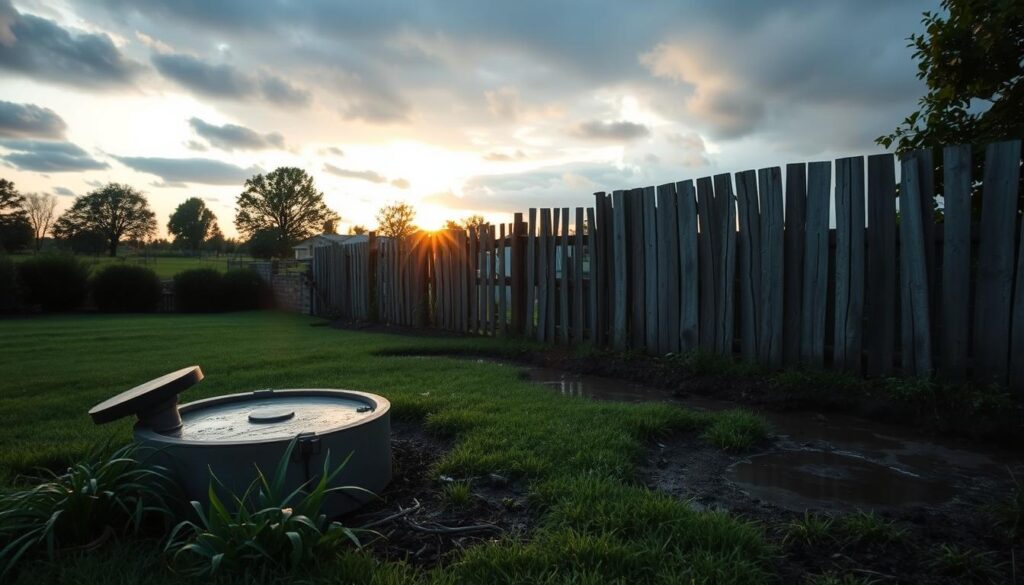
Immediate Actions to Take When Flooding Affects Your Septic System
The impact of flooding on a septic system requires swift and informed responses to ensure safety and minimize damage. When flooding occurs, it’s essential to act quickly to protect your system and your family’s health.
Safety First: Electrical and Contamination Concerns
Avoid electrical components near your septic system to prevent electrocution risks. Be cautious of potential contamination from sewage backups, as they can pose serious health hazards. Ensure that all family members understand the risks associated with flooded septic systems.
Reducing Water Usage During Flooding Events
To minimize the strain on your septic system during flooding, reduce water usage as much as possible. Avoid doing laundry, taking long showers, or running the dishwasher until the floodwaters recede. This will help prevent system overload and potential backups.
When to Call a Professional Immediately
If you notice signs of system failure, such as sewage backups or unusual odors, call a professional immediately. A qualified septic technician can assess the situation and provide guidance on the necessary steps to restore your system’s functionality. Here are some key indicators that require immediate professional attention:
- Sewage backups into your home or yard
- Unusual odors or surfacing sewage
- System alarms or indicator lights
By taking these immediate actions, you can help protect your septic system and ensure the safety of your family during and after flooding events.
Preventative Measures to Protect Your Septic System
Homeowners can significantly reduce the risk of septic system damage by adopting preventative measures tailored to flood prevention. By taking proactive steps, you can protect your septic system from the adverse effects of heavy rain and flooding, ensuring it operates effectively even during extreme weather conditions.
Landscaping Strategies for Flood Prevention
Effective landscaping can play a crucial role in preventing flood damage to your septic system. Two key strategies include:
Strategic Planting and Grading
Planting vegetation with deep roots can help stabilize the soil and improve its absorption capacity. Additionally, grading your yard to direct water flow away from your septic system can mitigate potential damage.
Creating Swales and Berms
Swales (shallow ditches) and berms (raised barriers) can be used to divert and manage water flow around your septic system. These landscaping features help in reducing the amount of water that reaches your septic system during heavy rainfall.

Installing Protective Features
Besides landscaping, installing specific protective features can further safeguard your septic system against flooding.
Backflow Preventers and Check Valves
Backflow preventers and check valves are crucial in preventing wastewater from flowing back into your home or yard during flooding. These devices ensure that your septic system remains functional and does not get overwhelmed by floodwaters.
Sump Pumps and Drainage Systems
Sump pumps and efficient drainage systems can help in quickly removing water that accumulates around your septic system, thereby reducing the risk of damage.
Maintenance Schedule Adjustments for Flood-Prone Areas
For homeowners living in flood-prone areas, it’s essential to adjust your septic system’s maintenance schedule accordingly. Regular inspections and pumping may be necessary to ensure your system remains in good working condition, especially before and after flooding events.
Post-Flooding Septic System Inspection and Maintenance
Flooding can severely impact your septic system, making post-flood inspection and maintenance essential. Ensuring your system is functioning properly is crucial for both your household’s health and the environment.
Professional Inspection Checklist
A professional inspection is vital to assess the condition of your septic system after flooding. Key areas to focus on include:
| Inspection Area | Checklist |
|---|---|
| Tank and Pipes | Inspect for damage, displacement, or blockages |
| Drain Field | Check for saturation, erosion, or clogging |
| System Components | Verify that all components are intact and functioning |
DIY Assessment Steps
While a professional inspection is recommended, homeowners can perform some initial checks. Look for:
- Signs of tank flotation or displacement
- Water pooling or unusual odors around the drain field
- Slow drains or backups in the household
Cleaning and Sanitizing After Flooding
After inspecting your septic system, cleaning and sanitizing are crucial steps. This includes:
- Pumping out the septic tank if necessary
- Disinfecting components and surrounding areas
- Ensuring proper functioning before returning to normal use
By following these steps, you can help ensure your septic system is properly maintained after flooding, reducing the risk of system failure and environmental contamination.
Long-Term Solutions for Septic Systems in Flood-Prone Areas
Long-term solutions are crucial for septic systems in areas frequently affected by flooding. Homeowners in these regions need to consider both system modifications and alternative septic system designs to ensure their systems remain functional and safe.
System Modifications and Upgrades
Modifying existing septic systems can significantly enhance their resilience to flooding. This can involve:
- Upgrading to raised systems or mound installations that keep the septic system above floodwaters.
- Installing reinforced tanks and components designed to withstand water pressure and potential debris impact.
Raised Systems and Mound Installations
Raised systems and mound installations are effective for areas with high water tables or frequent flooding. These systems elevate the drain field, reducing the risk of saturation and contamination.
Reinforced Tanks and Components
Using reinforced tanks and components can prevent damage from floodwaters. These are designed to be more durable and resistant to the forces exerted by moving water and debris.
Alternative Septic System Designs for High Water Tables
For areas with persistent high water tables, alternative septic system designs can offer a more permanent solution.
Aerobic Treatment Units
Aerobic Treatment Units (ATUs) provide a higher level of treatment than traditional septic systems. They are particularly useful in flood-prone areas as they can handle variations in wastewater flow and composition more effectively.
Sand Filter and Constructed Wetland Systems
Sand filter and constructed wetland systems are other alternatives that can be used in flood-prone areas. These systems provide additional treatment steps and can be designed to accommodate high water tables and flood conditions.
By adopting these long-term solutions, homeowners in flood-prone areas can protect their septic systems from the adverse effects of flooding, ensuring both functionality and environmental safety.
Insurance Considerations for Septic System Flood Damage
Understanding insurance considerations for septic system flood damage is crucial for homeowners living in flood-prone areas. Flooding can cause significant damage to septic systems, leading to costly repairs or even replacement.
Homeowners should review their insurance policies to determine the extent of their coverage. It’s essential to know what is typically covered under standard homeowner’s insurance and what may require additional or specialized coverage.
What Standard Homeowner’s Insurance Typically Covers
Standard homeowner’s insurance policies usually cover damage to the home and its systems, including septic systems, under certain conditions. However, the extent of this coverage can vary significantly depending on the policy and the cause of the damage.
Typically, damage caused by sudden and accidental events may be covered, but it’s crucial to check the policy for specific exclusions, such as flooding or maintenance-related issues. Homeowners should be aware that standard policies might not cover the full cost of repairing or replacing a damaged septic system.
Specialized Coverage Options for Septic Systems
For homeowners with septic systems in flood-prone areas, considering specialized coverage options is prudent. Some insurance providers offer additional coverage or riders specifically designed for septic system damage caused by flooding.
These specialized options can provide more comprehensive protection, covering not just the repair or replacement costs but also additional expenses related to environmental cleanup or compliance with local regulations.
Homeowners should consult with their insurance providers to explore available options and determine the best coverage for their specific situation.
Environmental and Health Impacts of Flooded Septic Systems
Septic systems compromised by flooding can have far-reaching environmental and health implications. When heavy rain and flooding occur, the risk of contamination and system failure increases significantly.
Contamination Risks to Water Sources
Flooded septic systems can contaminate both groundwater and surface water sources. This contamination can occur through various means, including overflow and system backups.
Groundwater Contamination Concerns
Groundwater contamination is a significant concern as it can affect drinking water sources. Pathogens and nutrients from wastewater can leach into the groundwater, posing health risks.
Surface Water Pollution Effects
Surface water pollution from flooded septic systems can lead to eutrophication and algal blooms, harming aquatic life and ecosystems.
Public Health Concerns and Regulations
The public health implications of flooded septic systems are substantial, with risks of disease transmission through contaminated water sources.
Disease Transmission Risks
Disease transmission can occur through direct contact with contaminated water or through the consumption of contaminated water or food.
Local and Federal Regulations for Remediation
There are regulations in place at both local and federal levels to address the remediation of flooded septic systems and mitigate their environmental and health impacts.
| Health Risk | Source of Contamination | Regulatory Oversight |
|---|---|---|
| Disease Transmission | Contaminated Water Sources | Local and Federal Agencies |
| Environmental Damage | Flooded Septic Systems | Environmental Protection Agency |
Conclusion
Maintaining a septic system is crucial, especially in areas prone to heavy rain and flooding. By understanding how your septic system works and taking proactive measures, you can prevent damage and ensure it continues to function properly.
As discussed, heavy rain and flooding can cause significant stress to septic systems, leading to potential backups and environmental hazards. Regular septic system maintenance is key to mitigating these risks. This includes inspecting your system regularly, being mindful of water usage, and implementing preventative measures such as landscaping strategies to divert floodwaters.
Flood prevention is also vital. By taking steps to protect your septic system, you not only safeguard your home but also contribute to environmental protection. Proper maintenance and flood prevention strategies can help prevent contamination of water sources and reduce public health concerns.
By following the guidance provided, homeowners can help maintain their septic systems and prevent flood damage, ensuring a safe and healthy living environment.